
Across the UK, schools are facing unprecedented challenges rising teacher attrition, record levels of pupil absence, an increase in exclusions, and a growing number of families opting for home education. Amid this turbulent landscape, one question rises to the surface:
What kind of learning environment truly supports the well-being and success of both pupils and staff?
The answer may be simpler and more natural than we think.
Welcome to the transformative world of Biophilic Design.
Recent data paints a sobering picture, nearly 40,000 teachers left the profession in 2022/23 alone, this was excluding retirements, in addition to the 40,000 there is an estimated 36% of educators who plan to leave in the next year, citing stress, workload and a lack of belonging.
The picture is also bleak for pupils, 1 in 5 pupils in England are now persistently absent from school. There is a rise in permanent exclusions, with more than 10,000 pupils removed from mainstream education annually with some pupils as young as six.
In addition to this data, over 97,000 children are now home educated, many due to dissatisfaction with school environments.
These figures point to more than policy or curriculum issues they reflect an environment that is no longer supporting the emotional, mental and physical well-being of those within it.
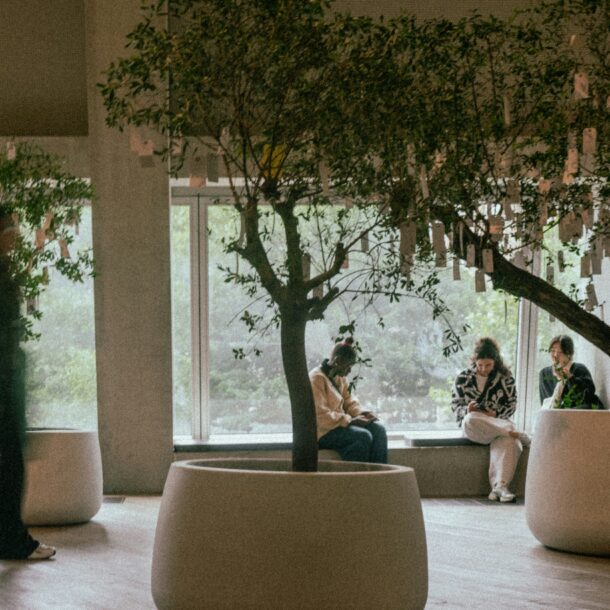
Biophilic Design integrates natural elements such as plants, sunlight, natural textures, water features and organic shapes into buildings and learning spaces. It’s more than aesthetics; it’s about reconnecting people with nature to support health, creativity, and community.
In schools, this might look like:
Classrooms filled with natural light and calming materials
Green walls and indoor plants that purify the air and reduce stress
Outdoor learning gardens with water and sensory trails
Soft, nature-inspired colours and textures
Thoughtfully designed quiet spaces for regulation and reflection
In a time when both children and teachers are leaving the system in search of something better, it’s time to rethink what “better” could look like.
Biophilic Design isn’t a luxury; it’s a response to a very real need. When we create learning environments that reflect the calming, restorative qualities of nature, we cultivate spaces where young people feel safe to learn, grow and belong and where staff feel supported to stay which also impacts their sense of belonging.
We help schools integrate Biophilic Design in ways that are practical, affordable and tailored to your setting. Whether you’re redesigning a new school, a single classroom or looking to embed nature into your entire existing campus bringing nature in as well as out, we can deliver:
Every child and every teacher deserve to feel they belong. Let’s bring nature back into education one space at a time.
Contact us today to explore how Biophilic Design can help your school flourish.
Innovaré’s timber‑framed, net‑zero carbon school exemplifies biophilic architecture with sustainable materials and generous daylighting. The school was designed so that symbolic and direct elements of nature foster emotional restoration and motivation among students.
As part of their BREATHE programme, this school experimented with murals and indoor plants in Sixth Form classrooms. They found measurable improvements in air quality and psychological well‑being students and staff commented on a sense of calm and enhanced oxygen for learning.
These classrooms integrate exposed timber, natural hues, daylight, and organic forms. Designed specifically around developmental stages from nature appreciation to communication skills students and staff report increased focus, belonging and reduced stress levels.
Examples of schools using wooden beams, greenery and organic shapes in libraries, labs, and reception areas show how environmental design enhances well‑being and creative engagement.