
Most people in the UK are neurotypical, meaning their brains process information in the way society generally expects. However, around 1 in 7 people (over 15% of the population) are neurodivergent. Neurodiversity refers to the natural variation in the way brain’s function, learn and interpret the world. This can shape how individuals experience light, sound, social interaction, problem-solving and more.
Yet, despite their unique strengths, neurodivergent people face barriers to employment. Only 31% of people with a neurodiverse condition are in work, compared with 54.7% of disabled people overall. The design of many workplaces contributes to this disparity, often unintentionally excluding neurodivergent employees. Environments that are overstimulating or poorly adapted can increase stress, reduce wellbeing and lead to absenteeism or even withdrawal from the workforce.
The PAS 6463:2022 Design for the Mind – Neurodiversity and the Built Environment notes that many people find aspects of their surroundings uncomfortable, distressing, or even prohibitive. For neurodivergent employees, everyday challenges can include filtering noise, coping with harsh lighting, resisting distractions, or managing internal restlessness.
Without thoughtful design, these conditions can increase cognitive load and result in anxiety, fatigue, or poor mental health. But with awareness and adjustments, workplaces can be transformed into inclusive spaces that support wellbeing and unlock potential.
Designing for sensory inclusion offers wide ranging benefits, not only for neurodivergent people but for all employees and organisations. Advantages include:
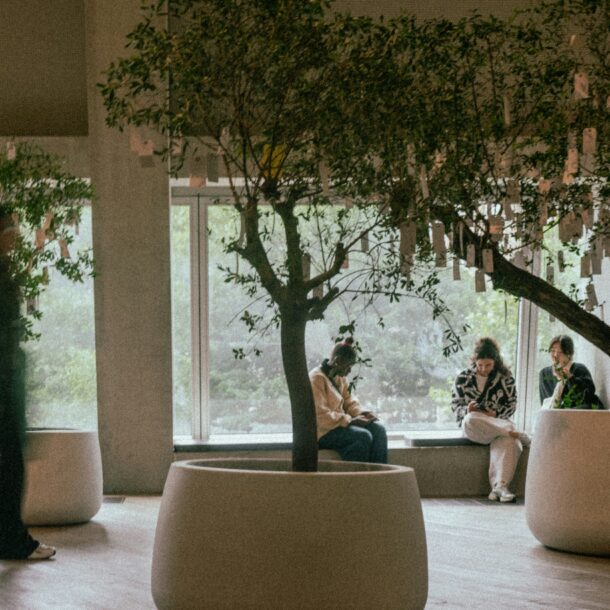
One powerful way to achieve this is through biophilic design designing environments that connect people with nature. This approach reduces sensory overload, improves wellbeing, and helps employees feel more grounded and resilient.
Biophilic design is structured around 15 core patterns, grouped into three categories:
At Biophilic Innovations, our mission is to design spaces that are not only beautiful but also deeply supportive of wellbeing. By embedding biophilic design principles, workplaces can:
When workplaces embrace these principles, they move beyond compliance to create environments where everyone neurodivergent and neurotypical alike can thrive.